The automation revolution isn't just for enterprise-scale companies anymore. Across Sri Lanka, India, and the broader South Asian market, small and medium enterprises are deploying AI-powered workflows that were once reserved for Fortune 500 teams with eight-figure technology budgets.
The inflection point has arrived
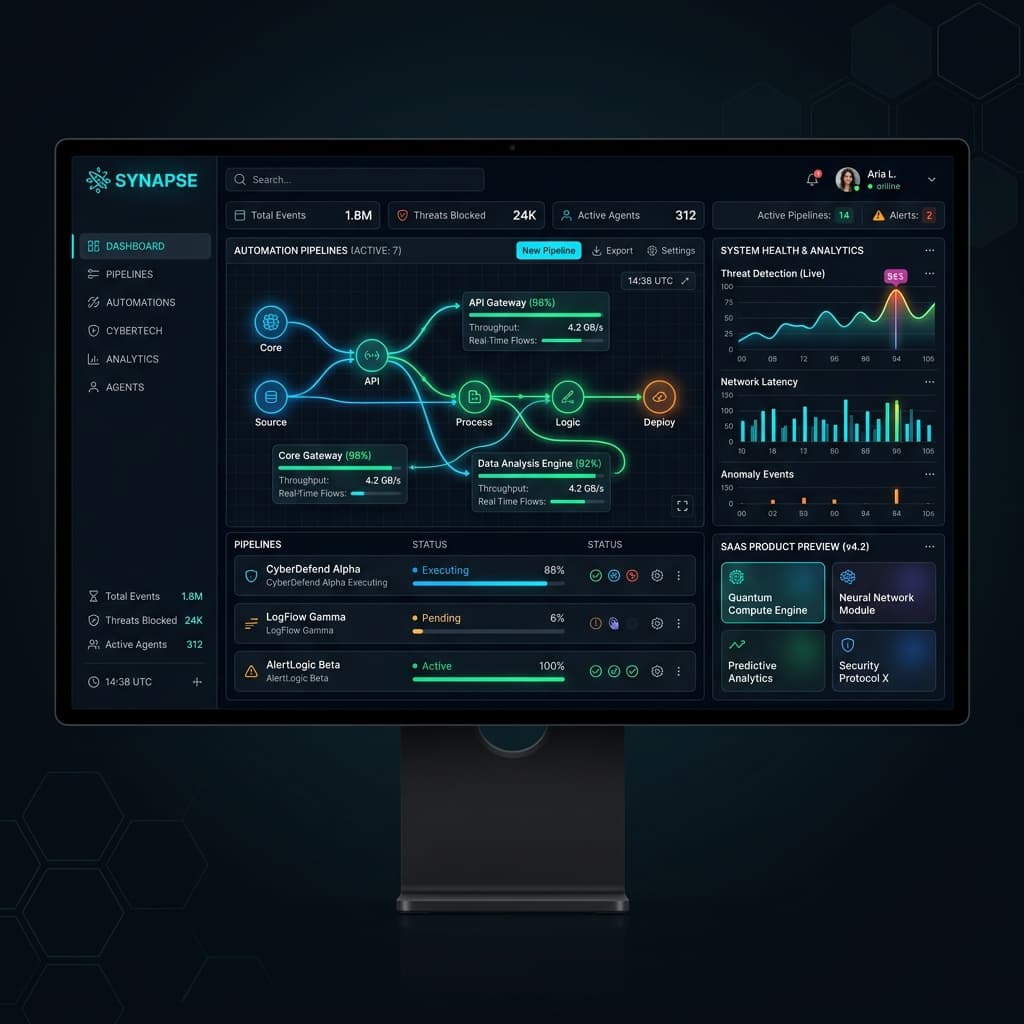
Three factors have converged to make AI automation genuinely accessible for SMEs: the commoditization of large language models, the emergence of no-code orchestration tools, and a new generation of local talent that understands both the technology and the regional business context.
At NexGen Labs, we've deployed automation stacks for a diverse cross-section of clients — from a 12-person perfume brand in Colombo to a 200-employee fintech in Bangalore. The patterns of impact are remarkably consistent regardless of company size.
Where the gains are actually coming from
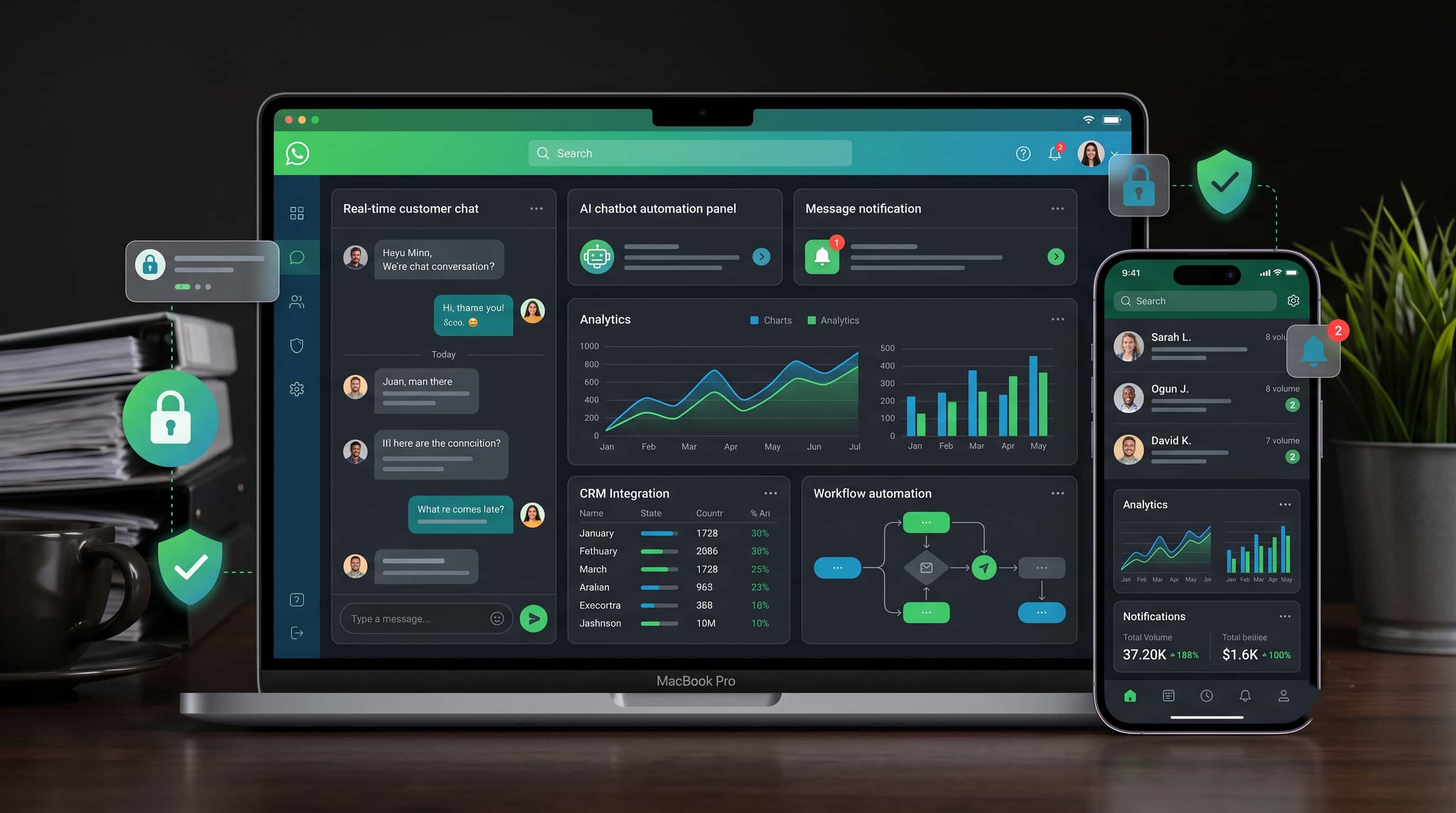
- Customer service deflection via trained LLM chatbots (60–80% ticket reduction in most deployments)
- Invoice processing and accounts payable workflows (saving 15–25 hours per week for finance teams)
- Social media content pipelines that maintain brand voice at scale
- Lead qualification and CRM data hygiene, eliminating manual data entry entirely
- Inventory and demand forecasting for e-commerce and F&B operations
The honest reality
Before any automation project begins, we run a process audit. Not every workflow benefits from AI. Some processes are rare enough or judgment-heavy enough that automation creates more overhead than it removes. The discipline of choosing carefully is what separates teams that see ROI within 90 days from those that spend six months building systems nobody uses.