Introduction
Have you ever struggled with confusing menus, tiny text, or apps that seem to make simple tasks more complicated than they should be?
Technology is evolving rapidly, and modern user experiences are becoming smarter, more intuitive, and better suited to the way people actually live and work. Instead of forcing users to adapt to technology, today's digital experiences are designed to adapt to users.
Here are five major trends shaping the future of websites and applications.
1. Technology That Anticipates Your NeedsModern applications are becoming increasingly proactive. Rather than waiting for users to search through menus or settings, they can recognize patterns and provide relevant information before it's requested.
What This Looks Like
For example, if you regularly perform the same task every morning, an application may automatically display it on your home screen when you open it.
Benefits
Faster access to frequently used features
Fewer repetitive actions
A more personalized digital experience
Improved productivity
Typing is no longer the only way to use technology.
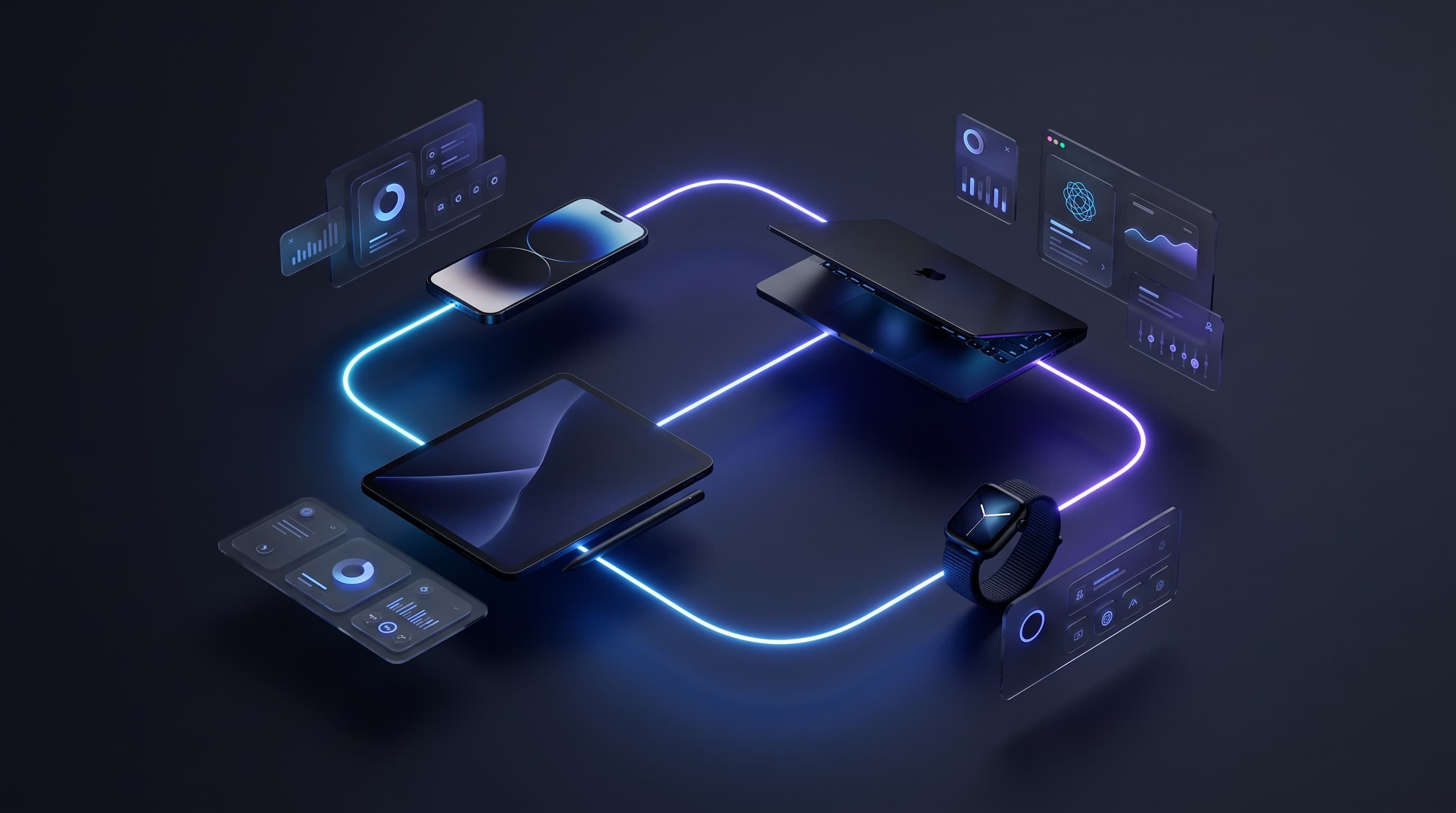
Modern digital experiences support multiple forms of interaction, allowing users to switch naturally between voice, touch, gestures, and traditional inputs depending on the situation.
Examples
You might:
Use voice commands while driving.
Tap your smartwatch during a workout.
Continue the same task later on your laptop.
The experience remains seamless across devices.
Benefits
Greater convenience
Better accessibility
Consistent experiences across multiple devices
The era of one-size-fits-all interfaces is gradually disappearing.
Instead of presenting identical layouts to every visitor, modern websites and applications can adjust their interface based on individual preferences and accessibility needs.
Examples include:
Larger text
Higher contrast colors
Simplified navigation
Larger buttons
Personalized layouts
Benefits
Personalized experiences make digital products easier to use for people of different ages, abilities, and levels of technical experience.
4. Less Clutter, More FocusPeople are increasingly seeking calmer digital experiences that reduce distractions rather than create them.
Modern interface design emphasizes simplicity, clean layouts, and meaningful interactions instead of excessive notifications and visual noise.
Characteristics of Calm Design
Minimal interfaces
Reduced interruptions
Thoughtful notifications
Clear visual hierarchy
Better use of whitespace
Benefits
Reduced digital fatigue
Improved concentration
More enjoyable user experiences
Higher productivity
As artificial intelligence becomes more common, users want to understand how digital systems make decisions.
Modern applications are becoming more transparent by explaining recommendations and giving users greater control over their personal information.
Examples
Instead of showing random recommendations, applications can explain why particular content is being displayed.
This allows users to:
Understand recommendations
Adjust preferences
Control personalization
Manage their privacy more effectively
Benefits
Increased trust
Better transparency
Greater control over personal data
More informed decision-making